Industrial & Commercial Flooring SpecialistsBased in Nottinghamshire
Book a Site Survey
Book a Site Survey
Explore Everest
Book a Site Survey 07947 105245
Everest brand industrial flooring imagery

INDUSTRIAL & COMMERCIAL FLOORING

Epoxy Resin Flooring

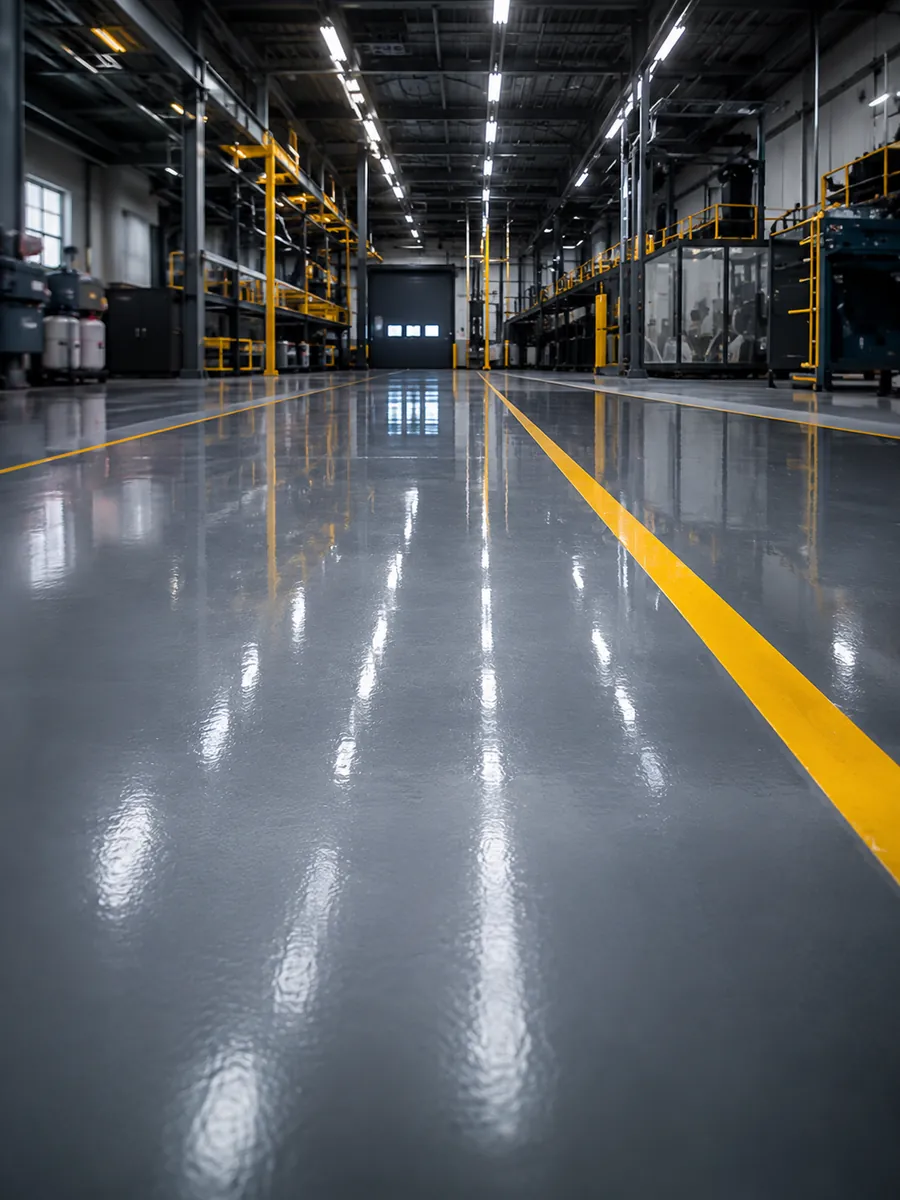
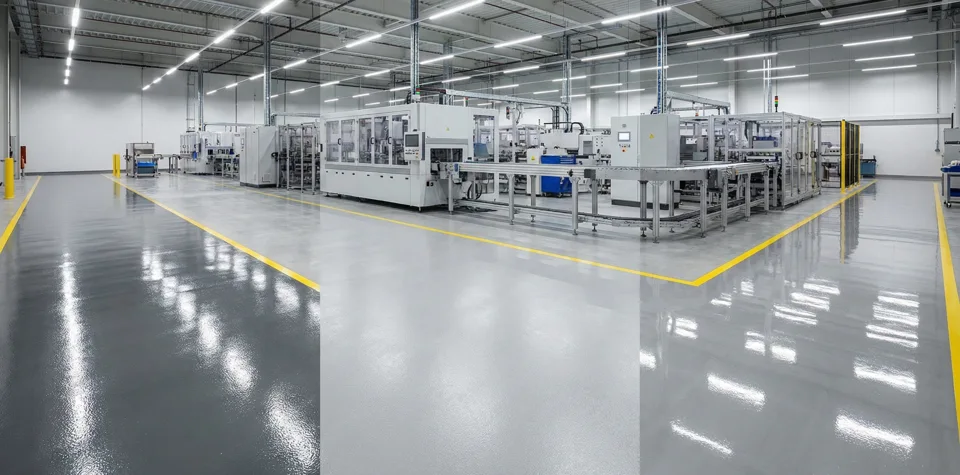
High-performance resin flooring for warehouses, production areas and commercial environments.

Designed around your site.

High-performance resin flooring for warehouses, production areas and commercial environments.

Suitable applications

  • Warehouses and distribution facilities
  • Manufacturing and engineering floors
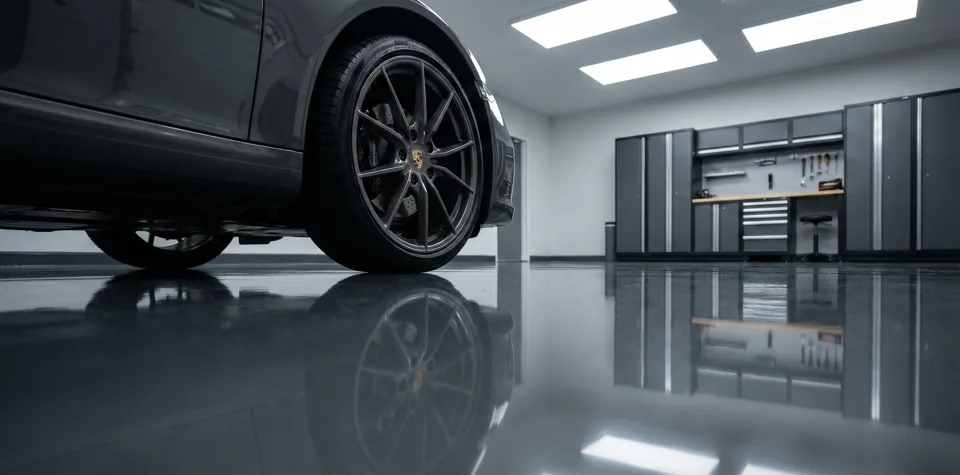
  • Commercial premises and workshops

What the system can offer

  • A continuous coated finish suited to the specified working environment
  • A choice of finish and colour within the selected range
  • Textured options where slip resistance is required
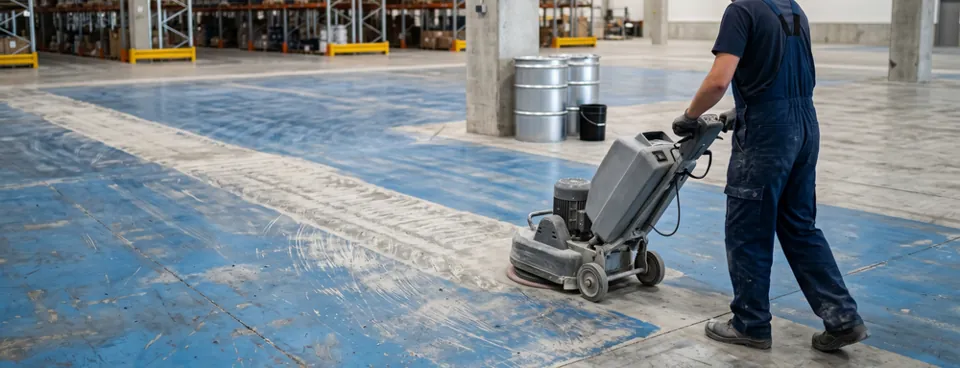
Concrete floor being mechanically prepared for a new coating system.

Preparation comes first.

Existing coatings, contamination and the condition of the concrete determine the preparation. Unsound material and local defects must be addressed before a compatible primer and epoxy system are applied.

Installation process

Survey the floor and agree the scope. Prepare the substrate and complete specified repairs. Apply the compatible system, then allow the required cure before returning the area to use.

Book a Site Survey

What is epoxy resin flooring?

Epoxy flooring uses a resin and hardener that react to form a cured coating. The term covers different build-ups rather than one standard thickness or performance level. On suitable prepared concrete, a specified system can provide a continuous, cleanable finish for warehouses, workshops and manufacturing areas.

Where epoxy works — and where it may not

Selection depends on substrate condition, traffic, temperature, cleaning and exposure. Epoxy is not a universal answer for damp substrates, moving cracks, severe thermal changes or every chemical. Some products can change appearance under UV exposure. The selected product data and the conditions at your site determine suitability; an alternative system may be more appropriate.

Preparation, texture and curing

Existing coatings must be assessed for soundness and compatibility, and loose material removed. Mechanical preparation, local repairs and the specified primer form the foundation for the coating. Textured options can be considered where extra traction is needed, balanced against cleaning. Application time and cure time are different: temperature and the intended traffic influence when the floor can reopen.

Care of the finished floor

Keep grit from accumulating and use cleaning methods compatible with the installed system. Deal with spills promptly, avoid unapproved aggressive cleaners and report lifting or impact damage early. Service life depends on preparation, system build-up, operating conditions and maintenance; there is no honest universal lifespan for every epoxy floor.

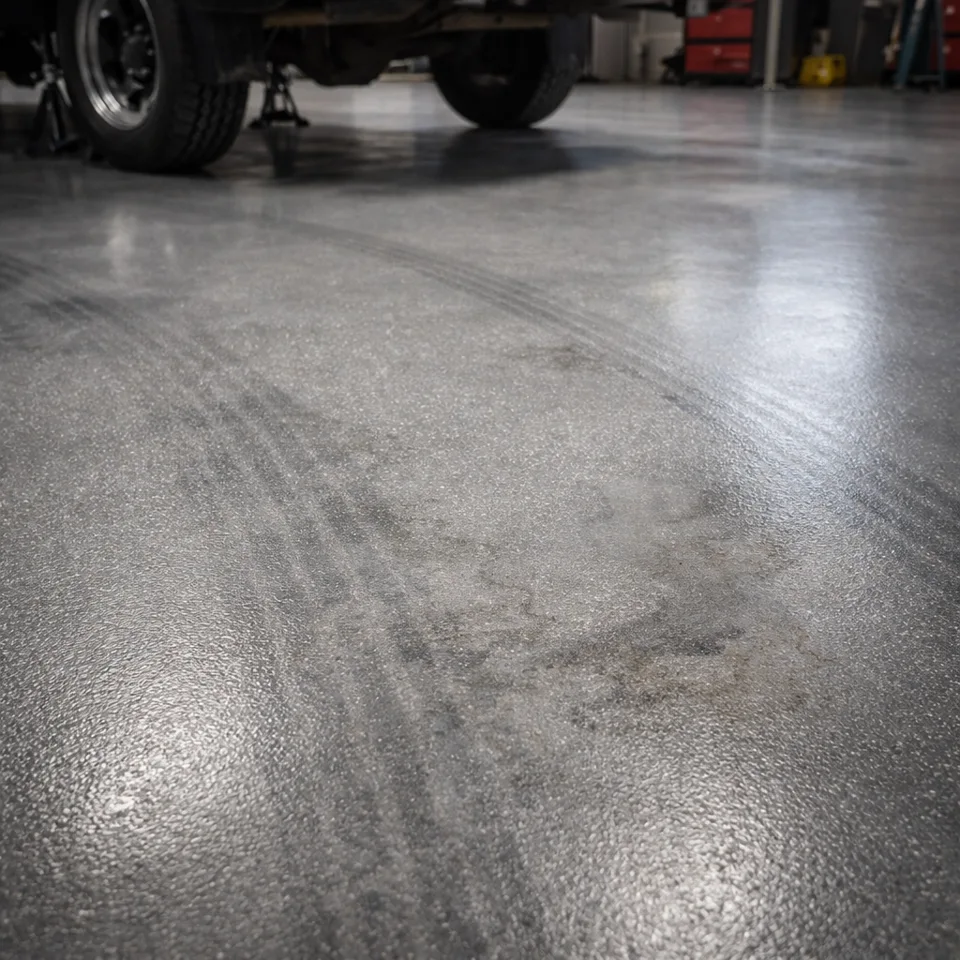
Planning your project

What affects the cost?

Area is only one part of the quotation. Failed coatings, contamination, repairs, preparation, the selected build-up and finish all affect the work. Access, moving equipment and splitting the installation into phases can also change the programme and cost. A survey helps define these items before a price is agreed.

When can the floor return to use?

Allow time for preparation and repairs as well as application and cure. Pedestrian access, forklift traffic and chemical exposure may have different return-to-use limits. Product instructions, substrate temperature and site conditions determine these limits; a dry-looking surface is not confirmation that it is ready for traffic.

Can installation be phased?

Sometimes. Each phase needs a clear working area, separation from traffic and enough time to cure. We review routes, stock movements, access and the edges between phases with you. Some sites are better suited to an agreed shutdown than a sequence of small areas.

Does the old coating need removing?

Loose, failed or incompatible coatings need to be removed. An existing sound coating may be suitable for a specified overcoating process only after condition and compatibility checks. Photographs help with the initial discussion, but cannot replace assessment of adhesion and the substrate.

Are anti-slip epoxy finishes available?

Textured build-ups may be specified where appropriate. The texture must suit the expected contamination, traffic and cleaning. Anti-slip does not mean the floor cannot become slippery.

AFTERCARE

Keep the finished floor working.

At handover, discuss cleaning guidance and maintenance recommendations for the installed system.

Care depends on the coating, traffic and operating environment. Appropriate cleaning products, spill management and attention to local damage help maintain the finish.

Contact our team to discuss future repairs or changes to the way the floor is used.

Discuss Your Floor

Questions about epoxy resin flooring

Can you coat an existing painted floor?

The existing coating needs to be assessed for adhesion and compatibility. Failed or unsuitable material may need to be removed before a new system can be applied.

How soon can the floor be used?

Curing time depends on the specified product, temperature and intended traffic. The quotation and work programme should identify the required return-to-service window.

How much downtime should we allow?

Preparation, repairs, product cure and the intended traffic determine the programme. We agree access and return-to-use requirements for the specified system.

What about moisture or odour?

Moisture assessment and testing where required help determine substrate suitability. Ventilation and odour considerations depend on the selected products and working environment.

LET’S PLAN YOUR FLOOR

Planning an Industrial
Flooring Project?

Arrange a site survey and discuss the condition, use and requirements of your floor with our team.